

Tea House Trekking in Nepal
3rd May, 2019

Teahouse Trekking in Nepal means staying in local lodges during treks in the Nepal Himalayas. It is a popular and accessible way to explore the country’s stunning landscapes, rich natural beauty, and cultural heritage. Teahouse trekking offers comfortable accommodation, delicious meals, and a more affordable option than camping, it making trekking in Nepal easier and more enjoyable.
Table of Contents
Unlike remote and strenuous trekking routes that require camping, where trekkers must carry all supplies. Teahouse trekking allows travelers to enjoy a comfortable and convenient Himalayan trekking experience.
What Is a Tea House in Nepal?
A teahouse in Nepal refers to a guesthouse, lodge, or small hotel located along trekking routes in the Nepal Himalayas. Traditional teahouses were usually simple stone or wooden buildings offering basic facilities such as simple rooms, a kitchen, a dining hall, and shared toilets and bathrooms. Trekkers stay overnight, enjoy meals and refreshments, and interact with local people.
Over time, trekking in Nepal has become more popular and modernized. As a result, the concept of teahouses has evolved, and today there are various types of teahouses along the trekking routes, ranging from basic lodges to comfortable and even luxury accommodations.
Basic Teahouses along Trekking Routes
Basic teahouses along trekking routes are usually small buildings made of stone and wood with tin roofs. Although simple in appearance, they are generally clean and offer essential facilities such as basic rooms, a kitchen, a dining hall, and shared toilets and bathrooms.
Rooms typically have two beds with basic mattresses, pillows, and blankets. In most basic teahouses, there is no electric power socket in the room for charging electronic devices. Internet (Wi-Fi) works in or near the dining hall and in some rooms close to the dining area. If a room is far from the dining hall, the internet may not work in the room.
Accommodation in basic teahouses is very affordable, with room prices usually around NPR 500 per night. Hot showers are shared, and typically only one hot shower is available in the teahouse. Toilets are also shared, often with one toilet per floor, which may result in queues during the morning and evening.
Standard Teahouses along Trekking Routes
Standard teahouses along trekking routes are usually larger buildings than basic teahouses. They are mostly made of concrete with flat roofs, and some are small cottages. These teahouses are generally clean, well-maintained, and comfortable, offering better facilities.
Rooms usually have two beds with good-quality mattresses, pillows, and blankets. Most rooms include attached bathrooms with hot showers. There is an electric power socket in the room for charging electronic devices, and Wi-Fi usually works in the room.
Because of the improved facilities, accommodation costs are higher than basic teahouses, usually around NPR 1,000 per night. Hot showers may be private or shared, depending on weather conditions.
These types of teahouses are commonly found on popular trekking routes such as the Everest, Annapurna, Langtang, and Manaslu regions, although availability may vary in some places.
Luxury Teahouses along Trekking Routes
Luxury teahouses along trekking routes are larger and more comfortable than both basic and standard teahouses. They are well-maintained, clean, and designed to provide a high level of comfort, similar to city-style star hotels.
Rooms usually have two beds with high-quality mattresses, pillows, and blankets, along with attached bathrooms with hot showers. Additional facilities include electric power sockets for charging electronic devices and Wi-Fi access.
Due to the premium services and comfort, accommodation costs are significantly higher, typically ranging from USD 50 to USD 300 per room, depending on the hotel standard and location.
These luxury teahouses are limited in number and are mainly found at lower elevations on popular trekking routes such as the Everest, Annapurna, Langtang, and Manaslu regions. Advance booking is strongly recommended, as availability is limited and rooms can be difficult to secure during peak trekking seasons.
The Rules for Eating Meals in Teahouses during Trekking in Nepal

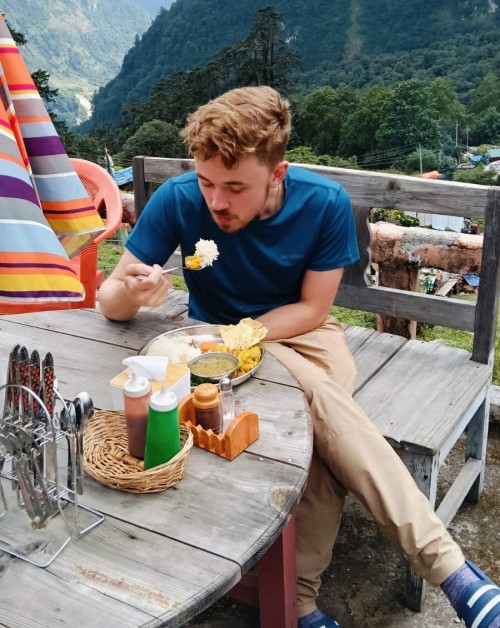
The rules for eating meals in teahouses during trekking are different from those in cities. On trekking routes, trekkers are generally expected to eat where they stay, because the accommodation cost is usually combined with the cost of food.
In most cases, teahouse owners charge lower prices for accommodation and basic amenities, and they compensate by including meals and drinks. If trekkers choose to eat outside the teahouse, the accommodation cost may increase, depending on how much is spent on food, drinks, and other services in the evening. In some cases, this extra cost can exceed NPR 2,000 per night.
Almost every teahouse provides a menu listing accommodation, food, and drink prices, and the prices are generally consistent across the same location.
Why Choose Teahouse Trekking in Nepal?
Teahouse trekking in Nepal offers many benefits, including accessible routes, flexible itineraries, affordable costs, lighter backpacks, warm and comfortable stays, and opportunities to meet other trekkers.
The trekking routes are generally well-connected, ranging from short to long treks. This means that if a trekker is unable to complete the full route, it is easy to return to a nearby town or city. Itineraries are flexible, allowing you to plan your trek according to your holiday timeframe.
Regarding cost, teahouse trekking can suit any budget, from economical trips to more luxurious options, depending on how much you wish to spend. Since accommodation and meals are provided, there is no need to carry heavy loads, making your trek easier and more enjoyable.
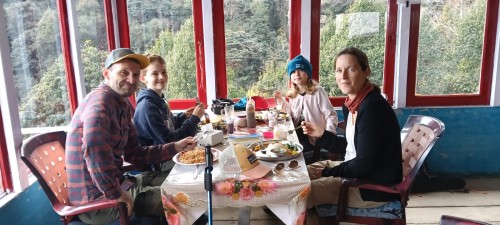
Teahouse trekking is ideal for families, solo travelers, student groups, and independent trekkers, as it is both comfortable and budget-friendly. Most teahouses along the routes are warm and well-maintained, with cozy bedrooms and dining halls where you can sleep comfortably and enjoy hot meals.
Additionally, teahouse trekking offers a great social experience. You can meet trekkers from around the world, share experiences, and exchange cultural stories, making your trek not only an adventure in nature but also a chance to connect with fellow travelers.
Is Teahouse Trekking Safe in Nepal?
Yes, teahouse trekking in Nepal is generally safer than camping treks in the Himalayas. This is because teahouse trekking routes are well-known, familiar, and accessible, particularly on popular trails such as Everest, Annapurna, Langtang, and Manaslu. However, trekkers still need to exercise caution.
These routes are often busy, with many trekkers, guides, and porters along the way. If you are trekking solo on these routes, you will rarely feel alone, as you will meet many people along the trail.
Even on popular trekking routes, it is highly recommended to hire a guide and porter. A guide knows the trail, understands the weather, and can handle emergencies, while porters carry your bag, making walking easier and allowing you to enjoy the trek more fully.
If trekking solo, ascending too quickly can lead to altitude sickness. To stay safe, walk slowly, rest every 30 minutes, drink plenty of water, eat enough food, and include acclimatization days in your itinerary.
The weather in the mountains can change rapidly, so always check forecasts, wear appropriate clothing, and carry a rain jacket and waterproof bag cover. Health and hygiene are essential: eat clean food, drink safe water, wash your hands frequently, and bring basic medicine for fever, diarrhea, pain, etc., to ensure a safe and enjoyable teahouse trek in Nepal.
Budgeting for Teahouse Trekking in Nepal
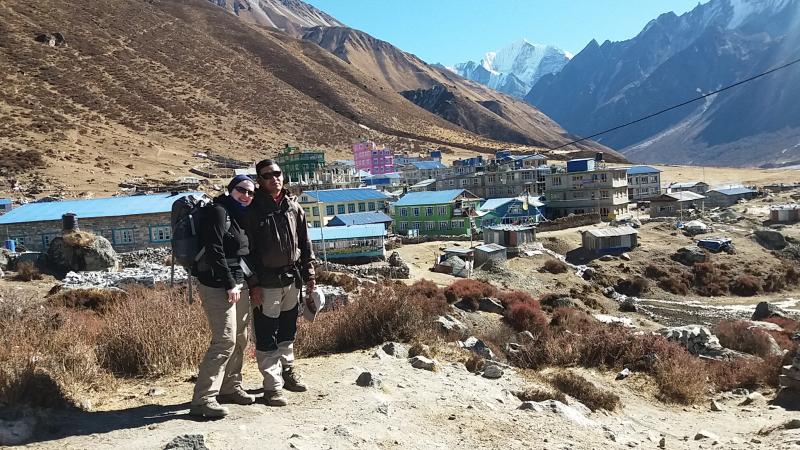
The budget for a teahouse trek in Nepal depends on the trekking route and the services chosen by the trekkers, such as accommodation, transportation, and guide/porter support.
For a standard teahouse trek without a guide or porter, the cost is typically around $50–$70 per day per person.
For a trek with a guide and porter, the cost ranges from $60–$100 per day per person, which usually includes permits, transport, accommodation, and meals for a group trek. For a 10-day trek, the total budget would be approximately $700–$1,000 per person.
In addition to these costs, trekkers should also consider extra expenses such as bar bills, tips, and luxury services. Planning your budget in advance is helpful, and it’s important to know what to expect. Remember, you don’t need to spend a fortune to enjoy the mountains—be smart with your money.
Popular Tea House Trekking Routs in Nepal
Teahouse Trek in the Everest Region
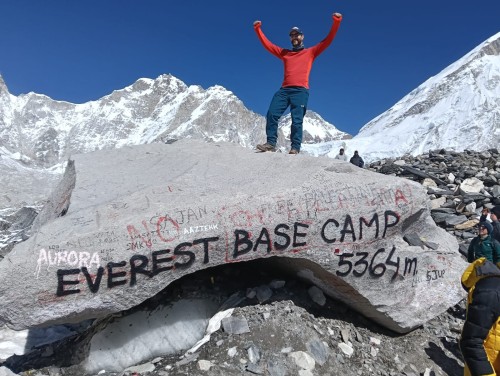
The Everest Base Camp Trek is the most popular teahouse trek in the Everest Region because there are plenty of teahouses along the route providing accommodation, food, and drinks for trekkers. Teahouses are available at almost every stop, allowing trekkers to comfortably spend the night.
In the lower elevations, from Lukla to Dingboche, teahouses can be found every one to two hours along the trail. Above Dingboche, the number of teahouses is more limited, but there are still enough to meet the needs of trekkers. Along the Everest Base Camp Trek, teahouses range from basic to luxury facilities. Some offer comfortable, high-end accommodation, while others provide simple, basic lodging, making it easy for trekkers to choose according to their budget.
Best Teahouse Treks in the Annapurna Region
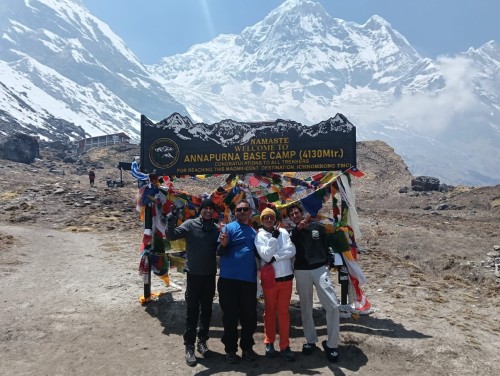
The Annapurna Region offers many teahouse trekking routes because it covers a large area. Trek durations range from five to twenty days, providing a wide variety of choices in terms of budget, duration, and accommodation quality.
Some of the most popular teahouse trekking routes in this region include the Annapurna Base Camp Trek, the Ghorepani Poon Hill Trek, the Annapurna Circuit Trek, and the Mardi Himal Trek. Each route offers different features in terms of teahouse facilities, natural scenery, and cultural experiences.
Teahouse Trek in the Manaslu Region
The Manaslu Circuit Trek is one of the best teahouse treks in the Manaslu Region because there are sufficient accommodation options along the route, ranging from basic to standard, due to the trek’s growing popularity for its natural beauty and cultural experience. Nowadays, many trekkers choose the Manaslu teahouse trek.
Trekkers can select suitable accommodation based on their budget, from low-cost to standard options. The trek duration is typically 10 to 15 days. Accommodation costs range from NPR 500 to 1,000 per night; however, food and drinks are not included in the accommodation price.
Teahouse Trek in the Langtang Region
The Langtang Valley Trek is a famous teahouse trek in the Langtang Region. Located a short distance from Kathmandu, the trek typically takes 7–8 days and offers beautiful mountain views. The route has a large number of good-quality teahouses, with facilities ranging from good to moderate. Many teahouses provide hot water for washing and serve good food, including both local and Tibetan dishes, along with a small selection of other options. Overall, costs are more reasonable compared to other regions.
Conculsion
Teahouse trekking in Nepal is an excellent way to experience the natural beauty and rich culture of the Himalayas while enjoying some creature comforts along the way. It suits trekkers with a wide range of budgets, from low-cost to standard options for accommodation, food, and drinks at teahouses.
Before planning your trek, it is advisable to research your chosen route, prepare adequately, and consider hiring a guide or joining a group if you are not an experienced trekker. We are always here to provide accurate information about teahouse trekking routes in Nepal and to organize your trek at a reasonable cost.
Are you interested on any of your travel serveices?
Make Inquiry NowRecent From Blog
15th Jun, 2023
21st Feb, 2021
28th Feb, 2018
5th Sep, 2023

13th May, 2019
19th Feb, 2019
8th Feb, 2021
21st Jan, 2021
29th Jul, 2020
3rd May, 2019
30th Apr, 2020

3rd Apr, 2020
17th Jul, 2020
26th Mar, 2020
31st Mar, 2020
19th Jun, 2023
11th Feb, 2020
11th Mar, 2020
27th Sep, 2019
17th May, 2019
26th Jul, 2020
6th May, 2019
5th Mar, 2019
7th Mar, 2020
18th Feb, 2019
12th Sep, 2019

27th Mar, 2018
27th Mar, 2019
2nd Mar, 2019
16th Jan, 2019

1st Jul, 2023
5th Jul, 2023

5th Jul, 2023

5th Jul, 2023

5th Jul, 2023
5th Dec, 2019
6th Jan, 2019
28th Feb, 2018
9th Dec, 2018
11th Dec, 2018

5th Oct, 2023

3rd Jan, 2024
.jpg)
27th Jan, 2024
29th Jan, 2024
19th Jan, 2025

7th Feb, 2025

17th Feb, 2025
9th Mar, 2025

15th Mar, 2025

18th Mar, 2025

23rd Mar, 2025

25th Mar, 2025

26th Mar, 2025

24th Apr, 2025

21st May, 2025

21st May, 2025

22nd Jun, 2025

22nd Jun, 2025
4th Jul, 2025

14th Jul, 2025

14th Sep, 2025
26th Sep, 2025
20th Dec, 2025
28th Jan, 2026
17th May, 2026
18th May, 2026
2nd Jun, 2026
7th Jun, 2026
9th Jun, 2026
13th Jun, 2026
14th Jun, 2026
2nd Jul, 2026
7th Jul, 2026
16th Jul, 2026
25th Jul, 2026

2nd Aug, 2026
5th Aug, 2026
9th Aug, 2026